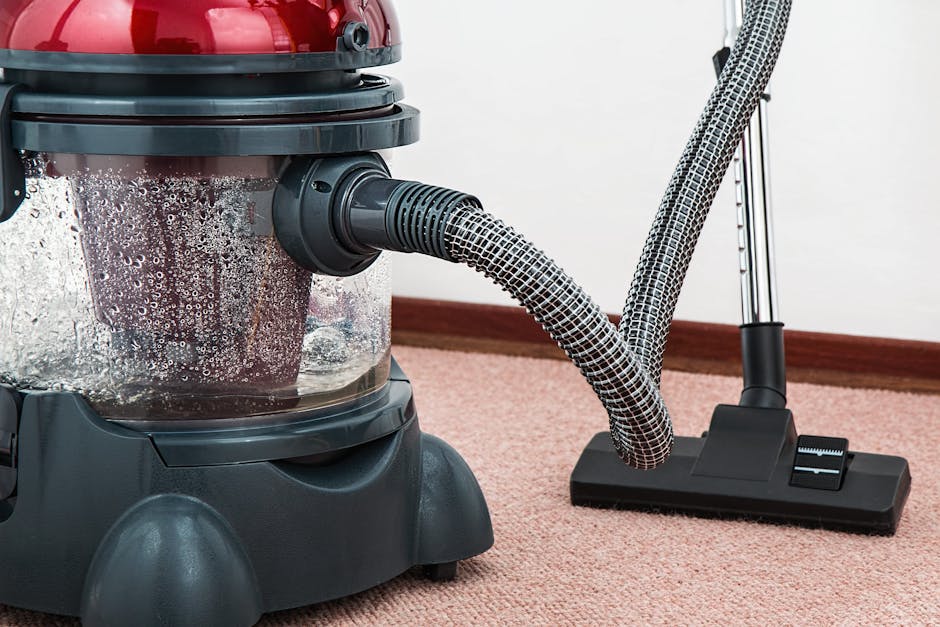
What certified carpet cleaners do that amateurs miss
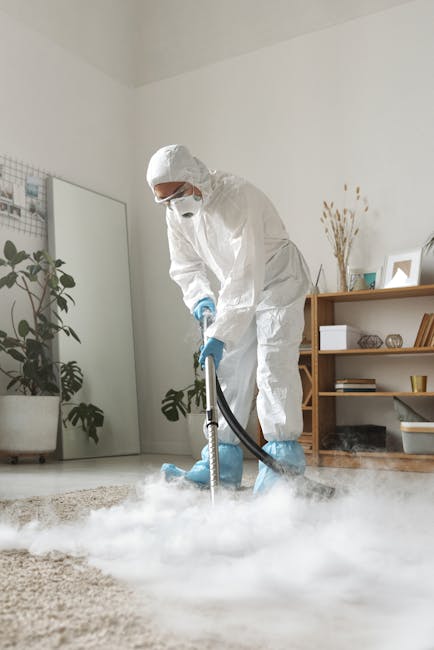
If you have ever hired a carpet cleaner, borrowed a machine, or tried a DIY stain rescue at home, you will know the feeling: the carpet looks better at first, then a few days later the mark comes back, the patch feels rough, or the room smells a bit damp. That is exactly where the gap opens up. What certified carpet cleaners do that amateurs miss is not just "clean more thoroughly" - it is the judgement, preparation, chemistry, moisture control, and finishing work that stop avoidable problems before they start.
In plain English, certified professionals are trained to look beyond the visible stain. They assess fibre type, backing, soil level, previous treatments, and drying risk before they touch the carpet. That sounds simple, but in practice it changes everything. This guide breaks down what the pros actually do, why it matters, how the process works, and how to decide whether professional help makes sense for your home or business.
Why What certified carpet cleaners do that amateurs miss Matters
A carpet is not just a surface. It is a layered system of fibres, adhesive, backing, underlay, and sometimes a history of previous cleaning attempts. Amateurs often see only the top layer. Certified cleaners see the whole thing. That difference matters because the wrong method can set a stain deeper, distort the pile, or leave enough moisture behind to create odour and re-soiling.
Let's face it, most people are not trying to do a bad job. They are just trying to get the room back to normal before guests arrive, the baby crawls around, or the office opens on Monday. But speed is where mistakes creep in. A pro slows the process down at the right moments: testing first, choosing the right pre-treatment, checking ventilation, and avoiding over-wetting. That is the sort of discipline amateurs miss, and it is why results last longer.
There is also a trust element. If you are paying for a service, you want predictable outcomes, not "it looked fine until the next morning." For many homes, that means treating high-traffic areas, pet accidents, and delicate rugs differently. For commercial spaces, it can mean scheduling around footfall and choosing methods that reduce disruption. If you are comparing service quality, it can help to review a company's approach to professional carpet cleaning and the wider support information on their about us page, because process and accountability usually tell you more than a shiny machine ever will.
Expert summary: certified cleaners are not just better at removing dirt; they are better at preventing avoidable damage, hidden residue, lingering odours, and poor drying outcomes. That is the real difference.
How What certified carpet cleaners do that amateurs miss Works
Certified carpet cleaning is usually built around a sequence, not a single action. Amateurs often jump straight to extraction or scrubbing. Professionals usually begin with inspection, because the stain is only part of the story. Is it food, grease, drink, pet contamination, tracked-in soil, or old detergent residue from a previous attempt? Those are not minor details; they change the method.
Here is the practical flow most skilled cleaners follow:
- Identify the fibre and condition. Wool, synthetic, blends, loop pile, twist pile, and rug constructions all respond differently to heat, moisture, and chemistry.
- Test before treating. A spot test checks for colour bleed, pile distortion, or adverse reactions. It is a small step that saves expensive mistakes.
- Vacuum and remove dry soil. Dry soil behaves like sandpaper. If you skip this part, the wet cleaning stage can turn loose grit into mud.
- Pre-treat specific soil types. Protein, tannin, oil, and pet stains do not lift in the same way. One product does not solve everything, no matter what the bottle claims.
- Agitate carefully. This helps the cleaner reach deeper into the pile without damaging the fibres.
- Use controlled cleaning or steam extraction. The aim is to remove soil without leaving the carpet saturated.
- Rinse and recover residue. Leaving detergent behind attracts dirt quickly. That is one of the biggest amateur misses.
- Speed up drying. Airflow and moisture management matter. A carpet that dries slowly is more vulnerable to odour and lingering dampness.
- Final inspection. Good work ends with a second look, not a shrug.
This process sounds methodical because it is. A certified cleaner is not guessing their way through your lounge at 10am on a Tuesday. They are adjusting decisions in real time. On a practical level, that means different dwell times, different temperatures, and often different tools for the same room. A stain on the landing may need a totally different approach from a wine spill on a pale wool rug.
If the work extends beyond carpets, the same judgement applies to upholstery cleaning, rug cleaning, or even steam carpet cleaning, where fabric sensitivity and drying control become even more important.
Key Benefits and Practical Advantages
The obvious benefit is a cleaner carpet. But the deeper value is in everything that happens around that result: less damage, better hygiene, fewer repeat stains, and a more predictable finish. If you have ever tried to rescue a patchy hallway with a rented machine, you will know how quickly "cheap" can become "expensive."
- Better stain removal. Professionals understand which stains can be lifted and which need careful reduction rather than aggressive scrubbing.
- Less re-soiling. Proper rinsing removes residue that otherwise acts like a magnet for dirt.
- Safer on fibres. Certified cleaners are less likely to scorch, shrink, or bruise delicate carpet construction.
- Improved drying. Faster, more even drying reduces the chance of musty smells and tacky texture.
- Longer carpet life. Good cleaning is maintenance, not just appearance.
- Better hygiene in busy spaces. This matters in family homes, rentals, offices, hospitality settings, and anywhere feet come and go all day.
There is also a less obvious advantage: confidence. You do not have to wonder whether you made it worse. That peace of mind is worth a fair bit, especially if the carpet is new, expensive, or part of a larger property refresh. If you are weighing value, it may help to look at pricing and quotes alongside the company's terms and conditions, because the cheapest option is not always the least risky one.
Who This Is For and When It Makes Sense
Not every carpet needs a specialist every time. Truth be told, a light maintenance clean or regular vacuuming can do plenty. But professional carpet cleaning becomes much more sensible when the stakes are higher than normal.
It usually makes sense for:
- Homes with children or pets, where spills and odours are a regular reality.
- Tenants and landlords, where end-of-tenancy expectations can be strict.
- Homeowners with wool or high-value carpets, where a wrong product can cause lasting damage.
- Offices and commercial premises, where visible cleanliness affects the whole space.
- People dealing with repeated stains, especially food, drink, pet, or tracked-in mud.
- Anyone who has already tried DIY cleaning and found the stain came back worse than before.
In our experience, the most common trigger is not "the carpet is filthy." It is usually one awkward patch right in the middle of an otherwise decent room. Maybe the dog had an accident near the radiator. Maybe someone tipped tea over the hallway runner just before visitors arrived. Maybe the office entrance matting has turned grey at the edges and nobody can quite explain how. Small problems have a way of looking bigger once the light hits them in the afternoon.
If your situation is more specific, such as stubborn pet odours, you may want to look at pet stain and odour removal or stain removal as part of a broader treatment plan.
Step-by-Step Guidance
If you want to understand what a proper professional clean looks like, this is the practical sequence. Not every job follows the exact same order, but the logic stays fairly consistent.
- Walk the area and inspect. Check for wear patterns, colour variation, loose fibres, damaged seams, furniture marks, and hidden spots near skirting boards.
- Identify the carpet type. This guides the choice of product, water temperature, brush action, and drying plan.
- Vacuum thoroughly. A decent vacuum pass removes dry debris and exposes the real condition underneath.
- Spot treat carefully. Treat the stain according to its type instead of blasting everything with the same chemical.
- Pre-condition the fibres. This loosens embedded soil before the main clean.
- Agitate where appropriate. Gentle mechanical action helps cleaning agents work deeper in the pile.
- Extract or clean with controlled moisture. The goal is lift, not soak.
- Rinse if needed. This is the part amateurs often miss. Detergent left behind can cause sticky residue and faster re-soiling.
- Set up airflow. Open windows where sensible, use fans if available, and avoid heavy foot traffic until dry.
- Do a final check. Look at the carpet from different angles. Some marks only show up in side light. Annoying, but true.
A useful habit is to ask yourself one question before any treatment: what is this stain actually made of? If you cannot answer that, be cautious. Guessing is how people bleach synthetic carpets or set protein stains with heat. A certified cleaner is trained to pause at exactly that moment, which is why the result usually looks cleaner, feels softer, and lasts longer.
Expert Tips for Better Results
Here are the small things professionals tend to do that make a big difference. Nothing flashy. Just quiet, experienced habits.
- Always test in a discreet spot. Even if the carpet seems ordinary, dyes and finishes can surprise you.
- Work from the outside of a stain inward. That prevents spread and ring marks.
- Use the least aggressive method first. Escalate only if the soil stays put.
- Do not overwet the underlay. A carpet can look dry on top and still be damp underneath.
- Keep an eye on drying time. If drying is slow, improve airflow rather than adding more water.
- Vacuum before and after. The second vacuum can lift dried residue or loosened fibres.
- Be patient with old stains. Some marks need more than one pass. That is normal.
One practical tip that often gets overlooked: if you are arranging cleaning in a home with mixed fabrics, ask about related surfaces as well. A hallway may need carpet care, the lounge sofa may need sofa cleaning, and the dining chair pads may benefit from upholstery cleaning. Treating the room as one ecosystem, rather than random objects, usually gives a neater overall result. Bit more sensible, really.
Common Mistakes to Avoid
This is where amateurs usually lose ground. Not because they are careless, but because carpet cleaning is full of little traps.
- Using too much product. More is not better. Overuse leaves residue and makes the carpet feel grimy faster.
- Scrubbing aggressively. That can fuzz fibres, spread the stain, or damage the pile.
- Applying heat too soon. Heat can set certain stains, especially protein-based ones.
- Skipping a fibre test. A small test patch can prevent a big headache.
- Not extracting enough moisture. Damp carpets are unpleasant and can create a lingering smell.
- Mixing products without understanding them. Some combinations are ineffective; others are messy or unsafe.
- Trying to clean everything the same way. A hallway runner, a wool bedroom carpet, and a commercial entrance mat are not the same job.
Another common issue is impatience. Someone sees a stain fade slightly and immediately reaches for more cleaner, more water, more pressure. That is usually the point where the carpet starts losing the argument. Professionals know when to stop, re-evaluate, and switch method rather than doubling down.
Tools, Resources and Recommendations
You do not need a van full of gear to appreciate what certified cleaners do, but the right tools do matter. A proper service will usually rely on a combination of inspection tools, fibre-safe chemistry, agitation tools, extraction equipment, and airflow management.
| Approach | What it is good for | Where amateurs struggle |
|---|---|---|
| Manual spot treatment | Small, fresh marks and targeted cleaning | Easy to overapply product or spread the stain |
| Vacuum plus pre-treatment | General refresh and soil removal | Often misses residue trapped deep in the pile |
| Steam or hot water extraction | Deep cleaning and embedded dirt | Can leave carpets too wet if not controlled properly |
| Specialist stain work | Pet stains, dye transfer, food, drink, and oily marks | Needs stain identification and the right chemistry |
| Protective aftercare | Slower re-soiling and better maintenance | Usually skipped by DIY cleaning |
If you are choosing a provider, there are a few signs of a sensible operation. Clear pricing information, visible service descriptions, transparent policies, and willingness to explain the process are all good signs. A company that publishes practical information on insurance and safety, health and safety, and recycling and sustainability is usually thinking beyond the first five minutes of the job. That tends to matter.
Law, Compliance, Standards, or Best Practice
For carpet cleaning, the most useful compliance discussion is usually about safe working practice, not dramatic legal theory. In the UK, customers should expect responsible handling of cleaning chemicals, sensible risk awareness, and insurance cover where appropriate. For commercial settings, there may also be site-specific requirements around access, working hours, and health and safety procedures.
The careful bit is this: no one should overstate what certification guarantees. Certification can signal training, but it does not magically remove the need for judgement, insurance, or good process. Best practice still means:
- reading product labels properly
- testing cleaning agents before use
- avoiding unsafe mixing
- managing slip risk during and after cleaning
- using equipment responsibly around electrics and furnishings
- following the provider's stated terms and service limits
If you are arranging work in a business setting, it is sensible to confirm expectations in writing and understand how the provider handles complaints, security, and payment. The pages on payment and security and complaints procedure are the kind of details people ignore until they suddenly matter. Then, of course, they matter a lot.
Options, Methods, or Comparison Table
Different carpet cleaning methods suit different situations. There is no perfect method for every carpet, and that is exactly why professionals earn their keep.
| Method | Strengths | Limitations | Best use |
|---|---|---|---|
| DIY spot cleaning | Quick for fresh spills | Limited reach, high risk of residue | Small, simple marks if handled fast |
| Rental machine cleaning | Accessible and cost-conscious | Inconsistent results, drying can be slow | Light refresh on robust carpets |
| Professional extraction | Deep cleaning, better soil removal | Requires skill and proper equipment | General whole-room cleaning |
| Steam-focused cleaning | Strong for stubborn embedded dirt | Must be matched to fibre type | Suitable carpets and heavy traffic areas |
| Specialist stain treatment | Targets difficult marks precisely | May need more than one pass | Pet stains, drink spills, old spots |
The point is not that one method is "the best." The point is that certified cleaners know which option to use without trial and error on your floor. That is a big difference, even if it does not sound glamorous.
Case Study or Real-World Example
Picture a family hallway on a wet February afternoon. Shoes, school bags, a dog with muddy paws, and a coffee spill that happened just before the school run. The homeowner tries a supermarket spray first. The top of the mark lightens, but the edge turns darker as it dries. A classic ring. Not ideal.
A certified cleaner would usually approach that job differently. First they would identify the stain type and the carpet fibre. Then they would vacuum away dry grit, treat the coffee component separately from the mud, and manage moisture so the backing does not stay saturated. If the area had absorbed odour, they would look at the cause rather than simply masking it. The result is not just a better-looking patch. It is a cleaner finish that does not shout "I was treated three times on a Thursday night."
That same logic applies to larger spaces too. In a small office reception, for example, the trick is often not the cleaning itself but timing and finish. A room can look tidy at 9am and tired again by 3pm if the entrance fibres are carrying residue. For that kind of setting, commercial carpet cleaning and steam carpet cleaning can be better suited because they are designed for heavier use and more controlled recovery.
Practical Checklist
Before you clean, ask yourself these questions. A quick checklist saves a lot of guesswork.
- Have I identified the carpet fibre or rug construction?
- Do I know what kind of stain or soil I am dealing with?
- Have I tested any product in a discreet area first?
- Have I removed dry soil before applying moisture?
- Am I using the mildest suitable method first?
- Have I planned for proper drying and airflow?
- Will this job benefit from specialist stain treatment?
- Could a delicate rug, sofa, or mattress need separate care?
- Do I understand the provider's pricing, terms, and security information?
- Is it sensible to book a professional rather than risk damage?
One small but useful habit: take a quick photo before treatment. It helps you see whether the stain has truly changed or whether the carpet is just wet and temporarily darker. That little reality check saves a lot of false optimism.
Conclusion
What certified carpet cleaners do that amateurs miss comes down to discipline, diagnosis, and restraint. They test before treating, match the method to the fibre, manage moisture carefully, and finish the job with proper drying and inspection. That is why the result tends to look better, last longer, and cause fewer surprises later on.
If you remember only one thing, make it this: carpet cleaning is less about power and more about judgement. The person who knows when not to scrub, when not to soak, and when not to rush is usually the one who protects your carpet best. Not the flashiest part of the job, admittedly. But it matters.
When you are ready to compare options, look for clear service information, sensible safety practices, and a team that explains what they are doing in plain English. That is often the sign of real expertise, and it gives you a much better chance of getting a result you are happy to walk on every day.
Get a free quote today and see how much you can save.
Frequently Asked Questions
What do certified carpet cleaners do differently from DIY cleaning?
They inspect the fibre and stain first, choose the right treatment, control moisture, and rinse properly. DIY cleaning usually skips one or more of those steps, which is where problems start.
Why do stains come back after amateur carpet cleaning?
Often because residue is left behind or the stain was pushed deeper into the pile. As the carpet dries, the remaining soil or cleaning product rises back to the surface.
Can certified carpet cleaners remove every stain?
Not always. Some stains are permanent or have already damaged the fibre. A good cleaner should explain what can be improved, what can be reduced, and what may not fully disappear.
Is steam cleaning safe for all carpets?
No. Steam or hot water extraction can be very effective, but it is not suitable for every fibre or condition. The cleaner needs to judge whether the carpet can tolerate heat and moisture.
How do professionals avoid making carpets too wet?
They use controlled application, proper extraction, and drying management. They also avoid overapplying product or repeatedly flooding the same area.
What is the biggest mistake amateurs make?
Using too much water or cleaner. That single mistake can leave residue, extend drying time, and make the carpet attract dirt more quickly afterwards.
Do I need a certified cleaner for a small stain?
Not always. A fresh, simple spill may be manageable at home if treated carefully. But if it is on a delicate carpet, smells, or keeps returning, professional help makes more sense.
How often should carpets be professionally cleaned?
It depends on foot traffic, pets, children, and the type of space. Busy homes and commercial areas usually need more frequent attention than low-use rooms.
What should I ask before booking a carpet cleaner?
Ask about their process, stain handling, drying expectations, insurance, pricing, and any limits on delicate fibres or problem stains. Clear answers are a good sign.
Are commercial carpets cleaned differently from home carpets?
Yes, often. Commercial carpet cleaning usually needs faster turnaround, heavier soil management, and methods suited to higher footfall and more regular wear.
Can carpet cleaning help with pet odours?
Yes, if the odour source is identified and treated properly. Surface cleaning alone may not be enough if the issue has reached the backing or underlay.
What should I do if I have already tried DIY and it looks worse?
Stop adding more product or water. Let the area dry if needed, then get advice from a professional. More trying usually makes the problem harder, not easier.