DIY or Professional Carpet Cleaning: Which to Choose?
If your carpet is looking tired, marked, or carrying that slightly musty smell that appears out of nowhere on a damp British morning, you are probably asking the right question: DIY or professional carpet cleaning which to choose? The honest answer is that it depends on the carpet, the type of dirt, the time you have, and how much risk you are willing to take. Some jobs are perfectly manageable at home. Others really are better left to a specialist.
This guide breaks the decision down properly. You will learn how each option works, where each one shines, where things go wrong, and how to choose the safest, most cost-effective route for your home or business. No fluff. Just a clear, practical way to decide.
Table of Contents
- Why DIY or professional carpet cleaning which to choose matters
- How DIY or professional carpet cleaning which to choose works
- Key benefits and practical advantages
- Who this is for and when it makes sense
- Step-by-step guidance
- Expert tips for better results
- Common mistakes to avoid
- Tools, resources and recommendations
- Law, compliance, standards, or best practice
- Options, methods, or comparison table
- Case study or real-world example
- Practical checklist
- Conclusion
- Frequently asked questions
Why DIY or professional carpet cleaning which to choose Matters
Carpets do more than soften a room. They trap dust, pollen, grit, pet hair, food spillages, and the odd mystery mark that appears after a busy week. Over time, all that build-up can make a room feel dull, smell less fresh, and wear down the fibres faster than you might expect.
That is why the choice matters. Pick the wrong method and you can end up with a carpet that is still dirty, over-wet, flattened, or even stained more deeply than before. Pick the right one and the room feels cleaner, brighter, and more comfortable underfoot. The difference is often obvious the moment you walk back in.
Truth be told, the decision is rarely about pride or saving a few pounds. It is about matching the cleaning method to the situation. A small surface spill in a low-traffic bedroom is one thing. Deep soil in a family hallway, a pet accident, or a commercial carpet with heavy footfall is another thing entirely.
If you want broader help beyond this one decision, our main carpet cleaning service page is a useful place to understand what professional cleaning usually covers.
How DIY or professional carpet cleaning which to choose Works
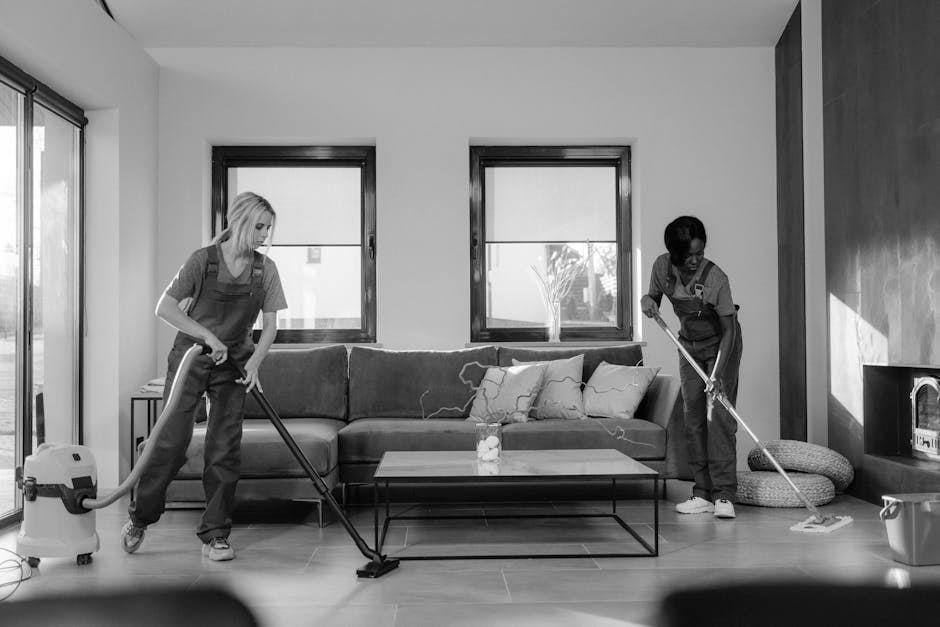
DIY carpet cleaning usually means one of three things: spot cleaning by hand, using a rental machine, or using a domestic carpet cleaner. The process is fairly straightforward. You vacuum first, treat marks, apply solution, agitate lightly, then extract moisture or let the area dry naturally. Simple on paper. In practice, not always simple.
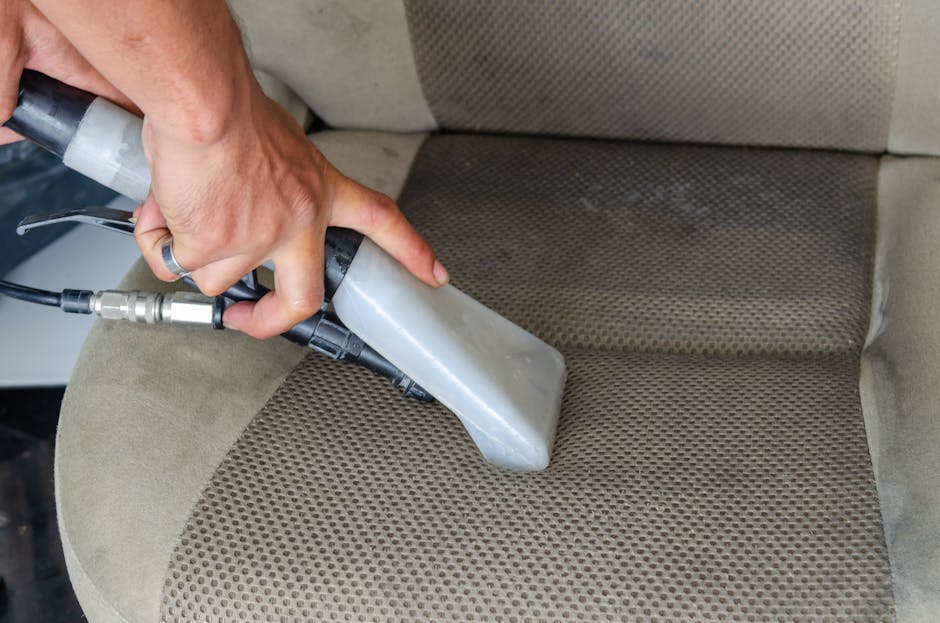
Professional carpet cleaning is more controlled. A trained cleaner assesses the fibres, soil level, stains, and any problem areas before choosing a method. That might include hot water extraction, low-moisture cleaning, steam-based processes, or targeted stain removal. The aim is not just to make the carpet look better for an afternoon, but to lift soil safely and leave the carpet as dry as practical.
The biggest difference is not just equipment. It is judgement. A professional is deciding how much water to use, which chemistry is safe for the fibre, how to deal with stubborn marks, and whether a stain is likely to respond at all. That part matters a lot more than many people realise.
For example, a wool rug, a synthetic lounge carpet, and a loop-pile office carpet all respond differently. Same room, same looking dirt, very different results. If you have specialist items too, you may want to look at related care such as rug cleaning, sofa cleaning, or even upholstery cleaning where the fibres and risks can be similar.
Key Benefits and Practical Advantages
There are good reasons people consider both options. DIY is convenient. Professional cleaning is more thorough. Often, the best choice depends on which benefit matters most to you right now.
| Option | Main benefits | Best for |
|---|---|---|
| DIY carpet cleaning | Lower upfront cost, immediate access, good for light marks and quick refreshes | Small spills, light soiling, regular maintenance |
| Professional carpet cleaning | Deeper clean, faster drying, better stain treatment, less risk of damage | Heavily soiled carpets, pet issues, end-of-tenancy cleaning, delicate fibres |
DIY advantages are mostly about speed and convenience. You can deal with a spill before it sets, freshen a busy stair runner, or tidy up a patch of mud after a wet afternoon. If you only need a small improvement, DIY can be enough. And yes, sometimes enough is exactly enough.
Professional advantages are about outcome and consistency. A specialist has the right equipment, stronger extraction, better stain knowledge, and experience with fibre types. That usually means better soil removal, less residue left behind, and a more even finish. It also means fewer mistakes that can cost you later.
There is another benefit people overlook: peace of mind. When a carpet is expensive, old, or part of a rented property deposit situation, confidence matters. If the job is done properly, you are not staring at a half-damp patch wondering what on earth just happened.
Who This Is For and When It Makes Sense
DIY makes sense if the carpet is generally in good condition and you are dealing with routine maintenance. Think small spills, food marks caught early, dusty traffic lanes in a bedroom, or a quick refresh before guests arrive. If you have a decent vacuum, a sensible cleaning product, and patience, you can get acceptable results.
Professional cleaning makes more sense if the carpet is visibly dirty, has recurring odours, has pet contamination, or needs a deeper reset. It is also the better choice if you have wool, viscose, natural fibres, or an expensive fitted carpet you do not want to gamble with. To be fair, these materials can be forgiving right up until they are not.
It is also the sensible route for:
- families with children and frequent spillages
- homes with pets and lingering smells
- landlords and tenants preparing for a move
- business premises with regular foot traffic
- anyone who has tried DIY before and was left with patchiness or wicking stains
If you are dealing with pet-related issues, the dedicated pet stain and odour removal page is especially relevant because smell and staining often need a different approach from ordinary dirt.
Commercial spaces have their own pressures too. A shop, office, or reception area cannot always wait for a weekend trial-and-error clean. For those settings, commercial carpet cleaning is usually the more practical route.
Step-by-Step Guidance
If you are still deciding, use this simple approach. It is not fancy, but it works.
- Identify the problem. Is it a fresh spill, old staining, ground-in dirt, or odour? Fresh marks are often DIY-friendly. Old or recurring issues are less so.
- Check the fibre. Synthetic carpets are usually more forgiving. Wool and delicate blends need more care.
- Look at the size of the area. A small patch can often be treated locally. Whole-room soiling is a different matter.
- Consider the drying time. If you cannot leave the carpet to dry properly, DIY can become a nuisance fast.
- Match the method to the risk. If the stain is unknown, the fibre is valuable, or the carpet is old but still nice, professional advice is the safer bet.
- Decide whether appearance or hygiene matters more. A carpet can look fine and still hold dirt deep in the pile. That is where professionals usually outperform a home clean.
A useful rule of thumb: if you are mostly trying to tidy the surface, DIY may be enough. If you want a proper reset, professional cleaning usually wins. Not always. But usually.
Here is a practical way to test the situation at home. Vacuum thoroughly, treat a small hidden patch, and watch how the carpet reacts once dry. If the test patch goes darker, rougher, or slightly tide-marked, stop there. That little patch has just told you something important.
Expert Tips for Better Results
The difference between a decent clean and a disappointing one often comes down to small details. A few better habits can make a big difference, whether you clean it yourself or bring someone in.
- Vacuum first, properly. Dry soil is easier to remove before any moisture is introduced.
- Blot, do not rub. Rubbing pushes the stain deeper and roughs up the pile.
- Use less water than you think. Over-wetting is one of the most common DIY mistakes.
- Work from the outside in. That helps stop marks spreading.
- Dry the room well. Open windows where possible and keep air moving.
- Treat stains quickly. The longer they sit, the more they bind to the fibre.
Professionals tend to think in terms of fibre, residue, dwell time, and extraction. That sounds technical, but the principle is simple: the right chemistry, applied carefully, then removed thoroughly. Leave too much residue behind and the carpet can attract dirt again faster than expected. Annoying, isn't it?
If you are cleaning other soft furnishings at the same time, do not mix methods blindly. A carpet is not a sofa, and a sofa is not a mattress. Each item behaves differently. For adjacent cleaning needs, related services such as mattress cleaning and steam carpet cleaning can help you understand how a specialist approach changes by surface.
Common Mistakes to Avoid
Let's face it, most carpet disasters are not caused by the stain itself. They are caused by the cleaning attempt.
- Using too much product. More cleaner does not mean more clean. It often means sticky residue.
- Scrubbing hard. This can distort fibres and spread dye transfer.
- Skipping a test patch. A small hidden area is the cheapest insurance you will ever buy.
- Cleaning with the wrong product. Some chemicals are simply too aggressive for certain fibres.
- Not extracting enough moisture. Wet carpets that stay damp can smell musty and take ages to recover.
- Expecting one pass to fix everything. Old stains, especially pet or food-based marks, often need more than a single treatment.
One of the sneakiest issues is wicking. That is when a stain seems to disappear, then reappears as the carpet dries because residue from deeper in the backing moves back up. It can make you think the carpet has somehow remembered the mess. Not ideal.
Another common problem is uneven cleaning. A DIY machine can leave lines or patchiness if the passes are inconsistent. Professionals reduce that risk with better suction and more controlled technique.
Tools, Resources and Recommendations
If you choose the DIY route, use practical tools rather than complicated ones. You do not need a van full of gadgets, but you do need the basics done well.
- a strong vacuum cleaner with a clean filter
- white absorbent cloths or plain paper towels
- a carpet-safe stain treatment
- a soft brush or cloth for gentle agitation
- good airflow for drying
- if necessary, a rental carpet machine with clear instructions
For professional cleaning, the most useful resource is a provider that explains the process clearly, asks sensible questions, and gives a realistic expectation of results. A trustworthy cleaner should be willing to discuss fibre type, stain history, drying time, and any likely limitations. If they promise miracles on every mark, I would be cautious. Very cautious.
You can also review practical details such as pricing and quotes before booking, and check insurance and safety information if you want extra reassurance about who is entering your home or workplace.
For businesses or households thinking about broader fabric care, related pages on curtain cleaning and sofa cleaning can be helpful because the same common-sense checks apply: fibre type, staining, moisture control, and drying.
Law, Compliance, Standards, or Best Practice
Carpet cleaning is not usually a heavily regulated consumer task in the way that some trades are, but that does not mean best practice is optional. In the UK, good providers should still work carefully, communicate clearly, and respect health and safety expectations in the property they are entering.
For example, a cleaner should be mindful of slip risks on wet floors, the safe use of cleaning chemicals, and the handling of delicate materials. In commercial settings, there may also be site-specific procedures, access rules, or after-hours requirements. None of that sounds glamorous, but it matters.
If you are hiring someone, it is reasonable to expect clear terms, sensible payment handling, and transparent service details. You can review a company's terms and conditions and payment and security information before confirming anything.
Environmental practice is worth considering too. Responsible cleaning often means using only what is needed, managing waste properly, and avoiding unnecessary water use. If that matters to you, a company's recycling and sustainability approach is worth a look.
The simple best-practice takeaway is this: whether you clean it yourself or hire a professional, use safe products, protect the carpet fibre, minimise moisture, and dry properly. Nothing dramatic. Just good habits.
Options, Methods, or Comparison Table
If you are still torn, this side-by-side view may help. It is not about which method is "better" in the abstract. It is about which one suits the job in front of you.
| Factor | DIY Cleaning | Professional Cleaning |
|---|---|---|
| Cost | Usually lower upfront | Higher upfront, often better value for difficult jobs |
| Convenience | Very convenient for small areas | Less hands-on for you |
| Cleaning depth | Good for surface refresh | Better for embedded soil and odours |
| Stain removal | Limited by product and machine quality | Stronger stain-specific treatment options |
| Risk of damage | Higher if you guess wrong on fibre or chemistry | Lower when handled by an experienced cleaner |
| Drying time | Can be long if over-wet | Usually more controlled |
| Best for | Small, fresh, light cleaning tasks | Heavy soiling, delicate carpets, odours, and larger jobs |
There is also a middle path: spot clean yourself for urgent marks, then book a professional clean when the carpet needs a full reset. That is often the smartest plan. A little home maintenance goes a long way.
Case Study or Real-World Example
Picture a typical family hallway. Wet shoes in winter, a dog coming in from the garden, a pram, a few dropped snacks, and that constant fine grit that seems to arrive from nowhere. The carpet looks fine at a glance, but the colour is duller near the entrance, and there is a faint smell after rain.
A homeowner might first try a DIY machine. It lifts some surface dirt, which is encouraging, but the traffic lane still looks flat and a little grey. A small old mark near the skirting also stays put. A week later, the area smells slightly musty again because the carpet had been cleaned quite wet and not fully extracted.
In that situation, professional cleaning tends to make more sense. The cleaner can assess the fibre, treat the mark properly, and use better extraction to reduce residue and drying time. The room often feels different afterwards. Cleaner, yes, but also lighter somehow. That fresh, walked-on-all-week look is gone.
Now compare that with a bedroom carpet with a small coffee drip caught early. In that case, a careful DIY spot treatment may be completely enough. No drama, no van, no big bill. Just a tidy fix and move on with the day.
That is the real answer to DIY or professional carpet cleaning which to choose: the situation tells you more than the label ever will.
Practical Checklist
Use this quick checklist before you decide.
- Have I identified the type of stain or soil?
- Do I know the carpet fibre, or at least whether it is synthetic or natural?
- Is the affected area small enough to treat safely at home?
- Have I tested a hidden patch?
- Do I have the time and ventilation for proper drying?
- Is there any pet odour, old staining, or deep traffic-lane dirt involved?
- Would a mistake be costly or annoying to fix?
- Do I want a surface refresh or a deeper clean?
- Would this carpet benefit from a professional assessment?
Simple rule: if the carpet is valuable, delicate, heavily soiled, or already showing signs of previous failed DIY attempts, choose professional help. If it is a minor, fresh mark and you are confident with basic care, DIY is often fine.
Conclusion
So, DIY or professional carpet cleaning which to choose? The clearest answer is this: DIY is best for small, fresh, low-risk jobs where convenience matters. Professional cleaning is better when you want a deeper, safer, more reliable result, especially on valuable carpets, stubborn stains, odours, or high-traffic areas.
The right choice is usually the one that protects the carpet while solving the actual problem in front of you. Sometimes that means a quick blot and a bit of patience. Sometimes it means bringing in a specialist who knows how to deal with the fibre, the stain, and the drying time without fuss.
If you are still unsure, a sensible next step is to get advice before you experiment further. A good cleaner will save you time, reduce the risk of damage, and may cost less than the second attempt after a DIY mistake. And that, really, is the bit people forget until it bites them.
Get a free quote today and see how much you can save.
Whatever route you choose, a cleaner carpet has a funny way of making the whole room feel calmer. A small win, but a lovely one.
Frequently Asked Questions
Is DIY carpet cleaning good enough for most homes?
It can be, for light dirt, small spills, and regular freshening up. If the carpet is heavily soiled, stained, or delicate, DIY usually reaches its limits pretty quickly.
When should I choose professional carpet cleaning instead of DIY?
Choose a professional when the carpet has deep traffic dirt, pet odours, old stains, or valuable fibres like wool. It is also sensible when you want a better finish with less risk.
Can DIY carpet cleaning damage my carpet?
Yes, if you use too much water, the wrong cleaning product, or too much scrubbing. Over-wetting and product residue are the most common problems people run into.
Does professional carpet cleaning remove all stains?
Not always. Some stains are permanent, and some have already chemically bonded with the fibre. A professional can usually improve them, but no honest cleaner will promise miracle results on every mark.
Which is cheaper: DIY or professional carpet cleaning?
DIY is usually cheaper upfront. That said, a bad DIY result can create extra costs if the carpet needs re-cleaning or repair. For difficult jobs, professional cleaning often offers better value overall.
How often should carpets be professionally cleaned?
That depends on foot traffic, pets, children, and the type of carpet. Busy homes and commercial spaces often benefit from more regular professional cleaning, while lighter-use areas may need it less often.
What is the biggest mistake people make with DIY carpet cleaning?
Using too much water and not extracting enough of it afterwards. That leads to slow drying, damp smells, and sometimes stains reappearing as the carpet dries.
Is steam carpet cleaning always better than DIY cleaning?
Not always, but it is often more effective for deeper soil removal when carried out properly. The key is using the right method for the fibre and the condition of the carpet.
Can I clean a wool carpet myself?
You can, but you need to be very cautious. Wool is more sensitive to moisture, heat, and harsh chemistry, so many homeowners prefer to leave it to a professional.
What should I ask before booking a carpet cleaner?
Ask about the cleaning method, drying time, fibre suitability, stain treatment, insurance, and pricing. Clear answers are usually a good sign you are speaking to someone who knows their trade.
Are professional carpet cleaners worth it for one room?
Often yes, especially if that one room is heavily used, badly stained, or part of a rental or sale situation. A single badly affected room can change how the whole property feels.
What if my carpet smells after cleaning?
That can happen if the carpet was over-wet, not extracted properly, or still has contamination deeper in the pile. Good drying and the right treatment usually solve it, but lingering odours may need a specialist approach.