Complete guide to removing pet urine stains from carpets
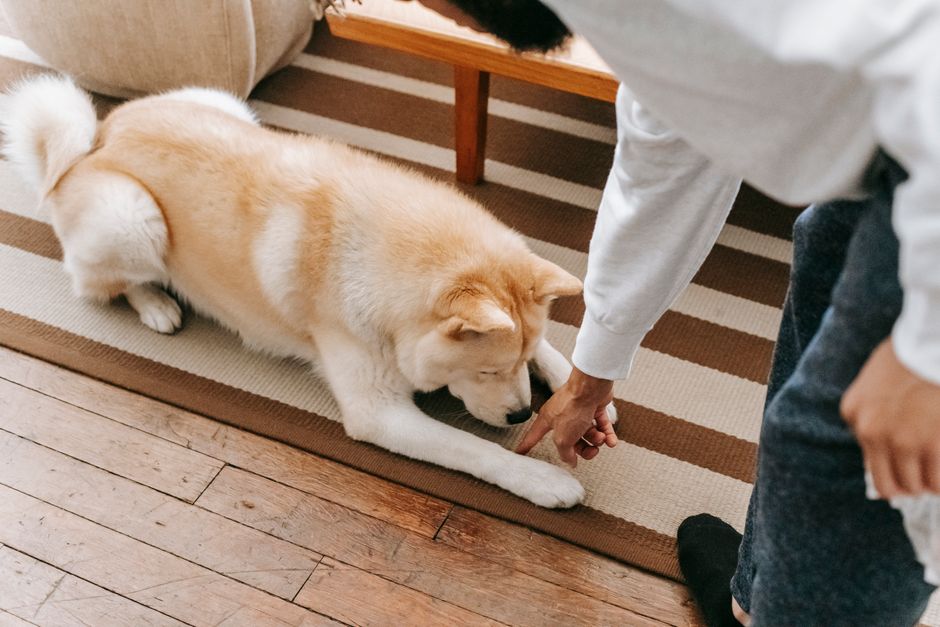
If you have ever walked into a room and caught that unmistakable pet smell, you already know the problem is rarely just the stain you can see. Pet urine sinks into carpet fibres, the backing, and sometimes even the underlay. That is why a quick wipe often fails. This complete guide to removing pet urine stains from carpets walks you through what actually works, what makes the smell come back, and when a deeper clean is the sensible next step. No fluff. Just practical, usable advice for real homes, real pets, and those slightly awkward moments when you discover the damage a bit too late.
Truth be told, most carpet problems with pet urine are time-sensitive. The sooner you act, the better the outcome. But even if the stain has been there for a while, there are still ways to improve it significantly. Below you will find step-by-step cleaning methods, expert tips, common mistakes, and a clear view of when a professional carpet clean or pet stain odour removal service makes more sense than another round of DIY guesswork.
Why Complete guide to removing pet urine stains from carpets Matters
Pet urine is one of those household issues that seems small at first and then, somehow, becomes the thing you keep noticing every time you cross the room. The stain itself can darken or spread, but the bigger issue is the lingering odour. Urine is not just a surface mark; it can wick down into the pile, the carpet backing, and the underlay beneath. Once that happens, the smell can return whenever the room warms up or becomes humid. A sunny afternoon, a radiator on, even a closed window can bring it back. Not ideal.
There is also the matter of repeat accidents. Pets often return to the same spot if the smell remains. So a proper clean is not just about appearance. It is about breaking the scent trail and protecting the carpet from becoming a habit-marker. If you live in a busy home, or you have a puppy, an older pet, or a cat that occasionally ignores the tray, this is worth dealing with properly the first time.
From a practical point of view, cleaning urine quickly can also help reduce the risk of fibre damage and discolouration. Some carpets, especially wool blends and light-coloured synthetics, can hold onto marks in very different ways. And to be fair, not every stain is obvious in daylight. You may think a patch is gone until you see it again in the evening when the room light changes. Frustrating, yes. But common.
How Complete guide to removing pet urine stains from carpets Works
Effective urine removal works on three levels: lifting moisture, neutralising residue, and removing odour at the source. If you only do one of those, the result may look better for a day or two and then slip back. That is the bit many people miss.
Fresh urine is mostly a moisture problem at first. You blot, absorb, and dilute carefully. Older urine is different. The urine salts and organic compounds crystallise as the carpet dries, which is why the smell can linger even when the patch looks dry. This is also why re-wetting the area with too much water can sometimes make the smell more noticeable before it gets better. It is a bit counterintuitive, but there we are.
The right approach depends on how far the liquid has travelled and what the carpet is made from. A low-pile synthetic carpet may respond well to a careful DIY treatment. A thicker pile, a wool carpet, or a stain that has sat for days may need a stronger method, ideally followed by deep extraction. In some homes, a standard carpet clean is enough. In others, the affected area needs targeted treatment, which is where a specialist service such as carpet cleaning or steam-based extraction can help lift residue from deeper in the fibres.
If you are dealing with urine on rugs, upholstered furniture, or mattresses as well, it is useful to remember that the same principle applies: remove residue at the source, not just on the surface. For soft furnishings, services like rug cleaning, upholstery cleaning, or mattress cleaning may be more appropriate than trying to treat everything the same way.
Key Benefits and Practical Advantages
A proper urine removal process does more than make the carpet look neat again. The benefits are practical, immediate, and, in a household with pets, fairly emotional too. Nobody wants to feel like their home smells of accidents.
- Better odour control: The main benefit is breaking the smell so the room feels genuinely clean again.
- Reduced repeat accidents: Removing the scent helps stop pets from going back to the same spot.
- Longer carpet life: Quick action reduces the chance of permanent staining or fibre damage.
- Improved hygiene: Fresh urine is unpleasant, but old residue can also create a less sanitary environment.
- Better results from general cleaning: Once the source stain is handled, regular steam carpet cleaning or stain treatment tends to work more effectively.
There is also a quieter benefit: peace of mind. You stop sniffing the same patch of carpet every time you walk past it. A tiny thing, maybe, but if you have pets and children, tiny things matter.
Who This Is For and When It Makes Sense
This guide is for anyone trying to deal with pet urine on carpet, whether it happened five minutes ago or last week. It is especially useful if you are a new pet owner, caring for an older animal, or managing a home where accidents happen now and then. Puppies are the obvious example, but elderly pets, anxious pets, or pets recovering from illness can all need a bit more patience and cleanup than usual.
It also makes sense if you are deciding between DIY treatment and professional help. If the urine is fresh, on a relatively small patch, and the carpet is synthetic, you may be able to handle it yourself. If the smell has soaked through, if the stain keeps reappearing, or if the carpet is delicate, professional treatment is usually the better call. The same is true in shared spaces or rental homes where leaving a lingering odour is not an option. No one wants that awkward end-of-tenancy conversation, do they?
Commercial settings can also run into this issue, particularly in pet-friendly offices, kennels, care environments, or rented spaces where animals are occasionally present. In those cases, a broader maintenance plan may include commercial carpet cleaning alongside spot treatment.
Step-by-Step Guidance
Below is a practical, sensible process for dealing with pet urine on carpet. Keep it calm. No scrubbing like you are trying to erase the carpet from existence.
- Act quickly. If the stain is fresh, blot the area with paper towels or a clean white cloth. Press down firmly, then replace with dry towels until moisture transfer slows.
- Do not rub. Rubbing pushes the liquid deeper and can rough up the fibres. Blotting is dull, yes, but it works.
- Lightly apply water. For a fresh stain, use a small amount of cool water to dilute the urine. Do not soak the carpet. You want damp, not flooded.
- Blot again. Remove as much diluted moisture as possible. Keep working from the outside of the stain inward to avoid spreading it.
- Use a suitable cleaning solution. Choose a product designed for pet urine or odour removal, or a gentle, carpet-safe cleaner. Follow the instructions carefully. If in doubt, test it on a hidden area first.
- Let the solution dwell for the recommended time. This gives it a chance to break down residue rather than just sliding over the top.
- Blot or extract the area. Remove the cleaner and dissolved residue with dry towels or a wet extraction method if you have one.
- Neutralise lingering odour. If the smell remains, repeat with an enzymatic pet cleaner or professional treatment. Enzyme-based products are designed to break down the organic material in urine rather than just masking it.
- Dry the area thoroughly. Use ventilation, a fan, or open windows when weather allows. Damp carpet can develop a musty smell all of its own, which is nobody's idea of progress.
- Recheck after drying. Smell the area once it is fully dry. If the odour returns, the urine likely reached deeper layers and needs another round of treatment or a deeper clean.
If the carpet is heavily affected, or the stain has dried in, you may need a stronger approach that includes targeted stain treatment followed by extraction. That is where a specialist stain process can save you a lot of trial and error. In many cases, stain removal is not about one miracle product. It is about correct sequencing, enough dwell time, and proper extraction.
Expert Tips for Better Results
Small decisions make a big difference here. In our experience, people often do the right general thing but miss one or two details that affect the outcome.
- Always use white cloths or towels. Coloured towels can transfer dye, especially on damp carpet.
- Test first. Hidden corner, under furniture, behind a door. Fifteen seconds now can save a headache later.
- Work gently and patiently. A little time is better than over-wetting the backing.
- Check the underlay if needed. If the stain is old or the smell is strong, the urine may have penetrated beyond the visible fibres.
- Use ventilation wisely. Air movement helps drying, but don't blow debris around the room.
- Repeat only when necessary. Back-to-back soaking treatments can make the patch larger without fixing the source.
One useful trick is to smell the carpet at different times of day. Morning and late evening can tell you different things, especially in a centrally heated home. A stain that seems fine at 10 a.m. can smell sharper by nightfall. Slightly annoying? Absolutely. Helpful? Very.
If your pet has accidents often, it may be worth combining spot treatment with a broader maintenance clean. Regular deep cleaning can keep fibres from holding on to residue. For some households, especially where pets spend a lot of time indoors, periodic steam carpet cleaning helps keep the whole room fresher between incidents.
Common Mistakes to Avoid
Most failed stain jobs come down to a handful of repeat mistakes. If you avoid these, your chances of a proper clean improve a lot.
- Scrubbing hard: This spreads the stain and can damage fibres.
- Using too much cleaner: More is not always better. Leftover product can attract dirt.
- Using heat too early: Heat can set residue or make odours more stubborn.
- Masking the smell with fragrance: That only hides the issue for a bit. The urine is still there.
- Ignoring the underlay: If the odour returns, the visible carpet may not be the whole story.
- Cleaning only the centre of the stain: Urine often spreads wider than it appears, so treat beyond the obvious edge.
There is a real temptation to overcompensate once you notice a stain. You want it gone now. Fair enough. But carpet cleaning rewards restraint more than enthusiasm, which is slightly rude of carpets, but there it is.
Tools, Resources and Recommendations
You do not need a trolley full of specialist equipment to start. A sensible kit is usually enough for fresh accidents, and it keeps you from improvising with whatever is under the sink.
| Tool or product | Best use | Notes |
|---|---|---|
| White absorbent cloths or paper towels | Initial blotting | Essential for lifting fresh moisture without transferring colour |
| Cool water | Gentle dilution | Use sparingly to avoid soaking the underlay |
| Pet-safe enzymatic cleaner | Breaking down urine residue | Often the best DIY option for odour-heavy stains |
| Wet extraction machine | Deeper residue removal | Useful for larger areas if used carefully |
| Fan or good ventilation | Drying | Helps reduce damp smells and mould risk |
If you are comparing professional options, ask about treatment methods, drying expectations, and whether the clean is intended for carpet only or includes the backing and odour source. A good provider should be able to explain this in plain English. You should not need a decoder ring.
For homes where pets have also affected sofas or other soft furnishings, it may be worth looking at broader options like sofa cleaning or upholstery cleaning. That way you deal with the whole room, not just one stubborn patch in the corner.
Law, Compliance, Standards, or Best Practice
For most homeowners, there is no special legal rule about cleaning pet urine from carpet. Still, best practice matters, especially in rented homes, shared properties, commercial spaces, or anywhere odour and hygiene affect other people. If you are a tenant, it is sensible to check your tenancy agreement and leave the property in a clean, reasonable condition. If you manage a business, you may also need to think about hygiene expectations, customer experience, and staff wellbeing.
In the UK, pet-related cleaning should also be approached with normal health and safety common sense. Use products as directed, keep rooms ventilated, store chemicals safely, and avoid mixing cleaners. Some combinations can release nasty fumes. Not dramatic, just true. If you are unsure, pause and read the label properly before proceeding.
Professional cleaning companies should also have clear policies around safety, insurance, and complaint handling. That is one reason it can help to check pages such as health and safety policy, insurance and safety, and terms and conditions before booking. It is not about being fussy. It is about knowing what to expect, which is always calming when you are handing over your carpets to someone else.
Options, Methods, or Comparison Table
Not every stain needs the same approach. Here is a straightforward comparison to help you decide what fits the situation.
| Method | Best for | Strengths | Limitations |
|---|---|---|---|
| Blotting + gentle cleaner | Fresh, small accidents | Fast, low cost, easy to do | Limited effect on old or deep stains |
| Enzymatic pet cleaner | Odour-heavy accidents | Targets urine residue rather than masking smell | Needs correct dwell time and thorough drying |
| Wet extraction or steam cleaning | Larger or repeated incidents | Better penetration and residue removal | Can be too much for delicate fibres if used poorly |
| Professional stain and odour treatment | Old stains, recurring smells, mixed material carpets | Most reliable for deep contamination | Higher cost than DIY |
If the carpet is valuable, wool-based, antique, or already worn in places, the professional route is often the safer choice. That does not mean DIY is bad. It just means some stains have a stubborn streak all their own.
Case Study or Real-World Example
A common real-world scenario goes like this: a dog has a one-off accident in a hallway at night. The owner notices the next morning, cleans it with a standard spray, and thinks that is the end of it. A week later, on a damp day, the smell returns near the front door. What happened? The cleaner removed some surface residue, but not everything that had travelled into the pile and backing.
In cases like this, the fix usually involves revisiting the area with a proper pet-specific product, then extracting the residue and drying the area thoroughly. If the odour persists after that, the carpet likely needs a deeper treatment. That can mean a targeted clean rather than a whole-room job, though sometimes a broader carpet cleaning service is the more efficient solution.
We have also seen homes where a "small" accident on the surface turned out to have affected the underlay because the dog stood on one spot for a while. You would never know just by looking. The carpet looked almost fine, but the smell in the evening told a different story. That is the sort of thing that makes a case for professional help, especially if the area is large or the stain keeps coming back.
Practical Checklist
Use this before, during, or after treating pet urine stains on carpet.
- Blot fresh urine immediately with clean white towels.
- Avoid rubbing or scrubbing the fibres.
- Test any cleaner on a hidden patch first.
- Use only a small amount of water or solution.
- Work beyond the visible edge of the stain.
- Allow enough dwell time for the cleaner to work.
- Extract or blot thoroughly after treatment.
- Dry the carpet completely with ventilation or a fan.
- Recheck the area once dry for smell or shadowing.
- Escalate to professional cleaning if the odour returns.
If you tick all of those boxes and the stain still lingers, that is not a failure. It simply means the contamination is deeper than the visible surface. It happens more often than people expect.
Get a free quote today and see how much you can save.
Conclusion
Removing pet urine from carpet is a mix of quick action, careful cleaning, and knowing when to stop experimenting. Fresh accidents can often be handled at home if you blot fast, use the right cleaner, and dry the area properly. Older or deeper stains are a different story and often need targeted treatment to stop the smell from returning.
The key lesson is simple: deal with the residue, not just the surface mark. Once you understand that, the whole process becomes much more manageable. And if the stain has already settled in, do not beat yourself up about it. Pets are part of the family, after all, and families are messy sometimes. The good news is that a cleaner, fresher carpet is usually within reach with the right approach.
If you want to keep your carpets fresher for longer, regular maintenance and prompt action are your best allies. A little attention now saves a lot of hassle later, and honestly, that is a pretty good trade.
Frequently Asked Questions
How do I remove fresh pet urine from carpet quickly?
Blot the area immediately with clean white towels, apply a small amount of cool water, blot again, then use a carpet-safe or pet-specific cleaner. Finish by drying the area well.
Why does the urine smell come back after cleaning?
Usually because the cleaner only treated the surface. Urine can reach the carpet backing or underlay, and the smell can reappear when the area warms up or becomes damp.
Can I use vinegar on pet urine stains?
Some people do, but results vary and it is not always the best choice for every carpet type. Always test first, and avoid over-wetting the area. A pet-specific enzymatic cleaner is often more reliable.
Does baking soda remove pet urine odour from carpet?
Baking soda may help absorb some smell on the surface, but it usually will not solve deep contamination on its own. It is better seen as a supporting step rather than a complete fix.
What is the best cleaner for old pet urine stains?
An enzymatic cleaner is often the best DIY option for old urine because it is designed to break down the organic residue. If the stain is deep or the smell persists, professional treatment may be needed.
Will steam cleaning remove pet urine from carpet?
Steam cleaning can help with residue and general freshness, but it must be used carefully. If urine contamination is deep, a specialist stain and odour treatment may be needed before or alongside steam extraction.
How can I stop my pet peeing in the same spot?
Removing the scent is the first step. Pets often return to the same area if they can still smell urine. Thorough cleaning, full drying, and sometimes a behavioural or veterinary check are all worth considering.
Is pet urine bad for carpet underlay?
Yes, it can be. If the urine soaks through the carpet fibres and backing, the underlay may hold odour even when the top surface looks clean.
Should I clean pet urine differently from other stains?
Yes. Urine is not just a stain; it is also an odour and residue problem. That means you need absorbency, neutralisation, and drying, not just a surface wipe.
When should I call a professional cleaner?
Call a professional if the stain is old, the smell keeps returning, the carpet is delicate, or the affected area is large. It is also sensible if you suspect the underlay has been hit.
Can pet urine stains be removed completely?
Fresh stains often can, or at least be reduced dramatically. Older stains are harder, especially if they have penetrated the backing or underlay. The goal is usually to remove the visible mark and eliminate the odour source as fully as possible.
Do I need a full room clean for one accident?
Not always. A targeted treatment may be enough for a small, fresh stain. But if the smell has spread, or there have been repeated accidents, a broader clean can be the more practical choice.